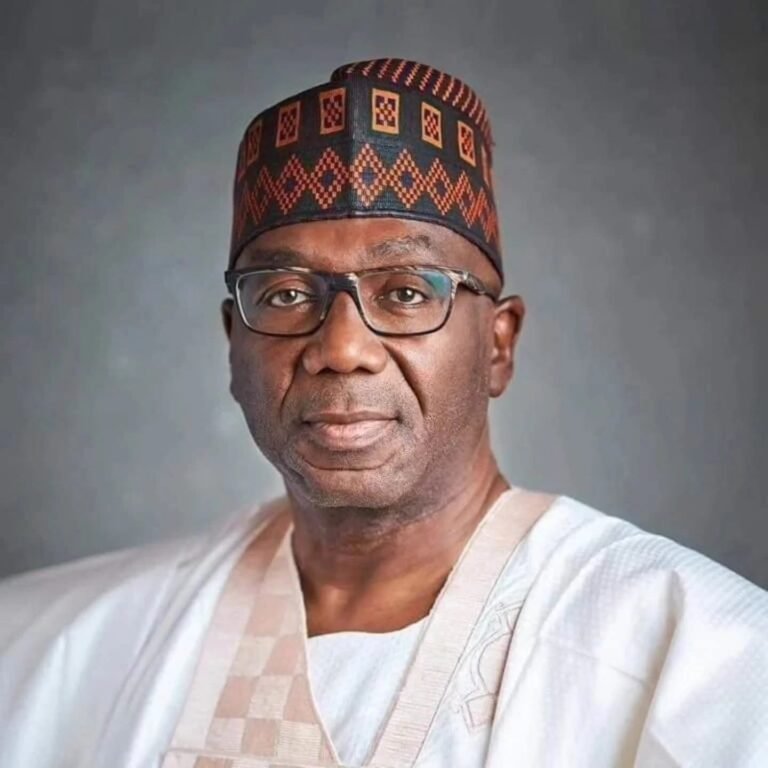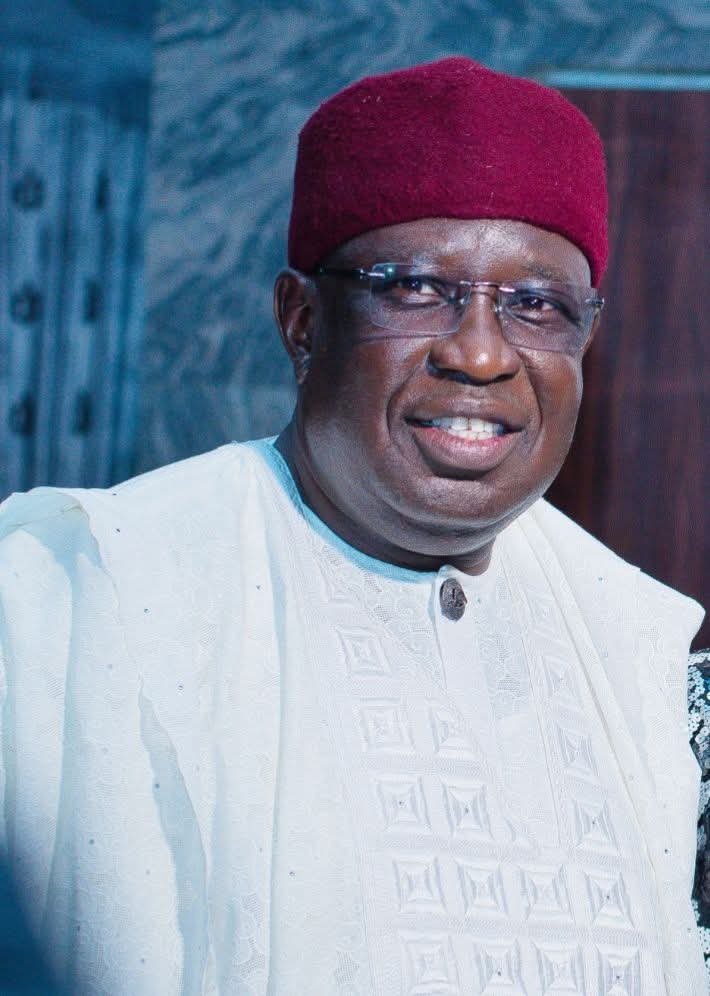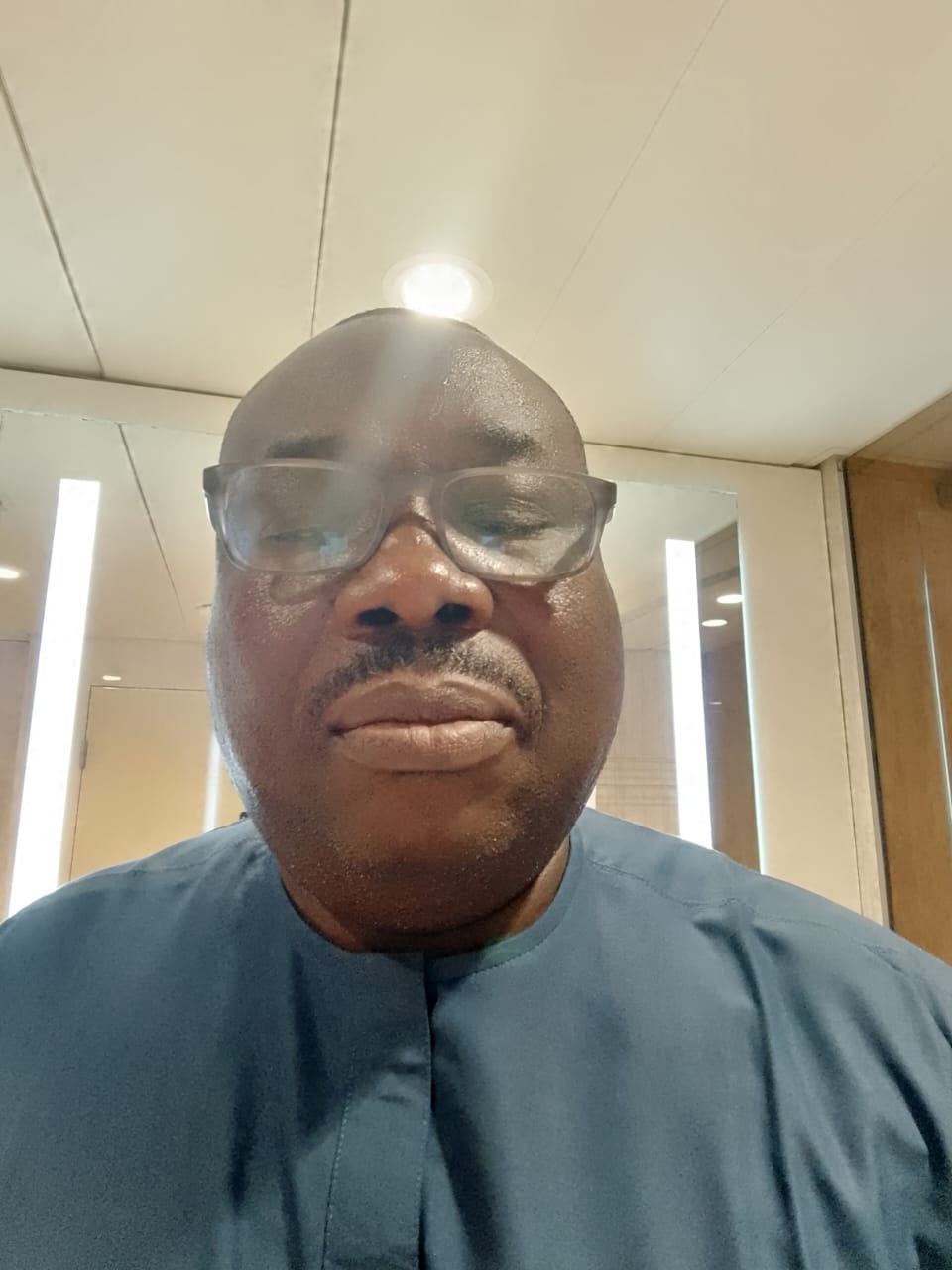
A member of the All Progressives Congress (APC) in Kwara State, Mr. Buoye David Olusegun, has criticised the state governor, AbdulRahman AbdulRazaq, over what he described as a sudden and suspicious move to convene a stakeholders’ meeting after nearly seven years in office.
In an opinion article obtained by this medium, Buoye faulted the governor’s decision to initiate a so-called strategic stakeholders’ engagement at a time when his tenure is nearing its end, questioning the sincerity and motive behind the move.
“The sudden action by an outgoing governor- who for almost seven years ignored and sidelined the very political associates who brought him to power- to now convene a stakeholders’ meeting raises serious questions,” Buoye wrote.
“This move appears less like genuine consultation and more like a calculated attempt to install a political stooge or puppet.”
He stressed that his concerns were not merely personal but shared by many young people and party faithful across the state who have closely monitored the governor’s recent political maneuvers.
According to him, the proposed Stakeholders’ Strategic Meeting scheduled for Monday, December 22, mirrors earlier engagements such as the Abuja meeting reportedly convened through Otunba Biodun Ajiboye and the Banquet Hall “youth engagement” programme- events he described as cosmetic exercises rather than meaningful consultations.
Buoye questioned the timing of the governor’s sudden interest in stakeholder engagement after spending almost the entirety of his administration appearing indifferent to party members, internal dissent, and critical voices.
“Why does the governor now find the idea of stakeholder engagement necessary after almost eight years in office? Is this outreach driven by the reality of an expiring tenure or a desperate attempt to advance a narrow and selfish succession agenda?” he asked.
He further alleged that the meeting is designed to railroad stakeholders into endorsing a predetermined zoning and succession arrangement, warning that a gathering dominated by appointees, loyalists, and “yes-men” cannot produce genuine consensus.
Buoye also argued that the APC structure in Kwara State has been significantly weakened under the current administration and that superficial political adjustments at this stage would not address deeper internal fractures.
Drawing historical parallels, he recalled that in 2019, despite the strong control of party structures and state machinery by the PDP under Bukola Saraki, electoral victory was not guaranteed.
“Control of party structures does not automatically translate to electoral success,” he noted.
He concluded by urging the national leadership of the APC to take note, warning that if the party intends to retain Kwara State in future elections, the governor should not be allowed to unilaterally determine the party’s succession and political direction.