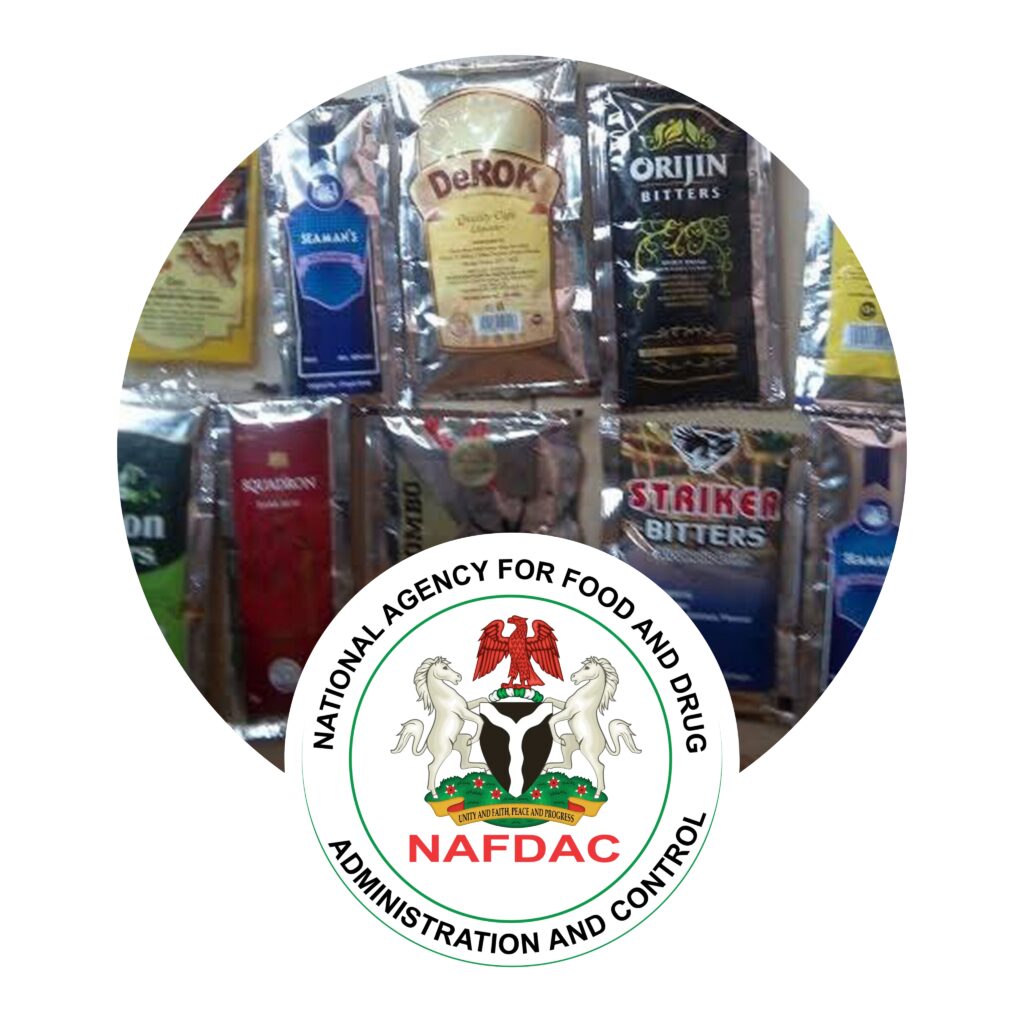
The Federal Government has directed the National Agency for Food and Drug Administration and Control (NAFDAC) to immediately suspend all enforcement actions relating to the proposed ban on sachet alcohol and 200ml PET bottle alcoholic drinks.
The directive also orders the agency to stop sealing factories and warehouses linked to the policy, warning that premature enforcement could trigger adverse economic and security consequences.
The decision was disclosed in a statement issued on Wednesday in Abuja by Terrence Kuanum, Special Adviser on Public Affairs to the Secretary to the Government of the Federation (SGF).
According to Kuanum, the directive followed a joint intervention by the Office of the SGF and the Office of the National Security Adviser (ONSA), which expressed concerns about implementing the ban without a fully operational National Alcohol Policy.
READ ALSO: 30-Year-Old Digital Entrepreneur Dies After Reported MRI Shortage in Ilorin
“Accordingly, all actions, decisions, or enforcement measures relating to the ongoing ban on sachet alcohol are to be suspended pending the conclusion of consultations, full implementation of the National Alcohol Policy, and the issuance of a final directive,” the statement read.
He noted that although the National Alcohol Policy was signed by the Federal Ministry of Health under the directive of President Bola Tinubu, NAFDAC must refrain from factory closures, warehouse sealing, or any form of public enforcement until the policy becomes fully operational.
The government warned that ongoing warehouse closures and what it described as an unofficial ban were already disrupting legitimate businesses, endangering jobs, and heightening security risks, particularly within informal distribution networks across the country.
Kuanum added that the latest directive reinforces an earlier order issued by the SGF in December 2025, which suspended enforcement of the proposed ban pending broader consultations and a final decision.
He said the Federal Government is currently reviewing legislative resolutions, public health concerns, and the broader economic and national interest implications before taking a definitive position on the policy.