Ahead of the 2027 elections, political parties in Kwara State are not on the same page about calls to zone the governorship seat to the Kwara North Senatorial District.
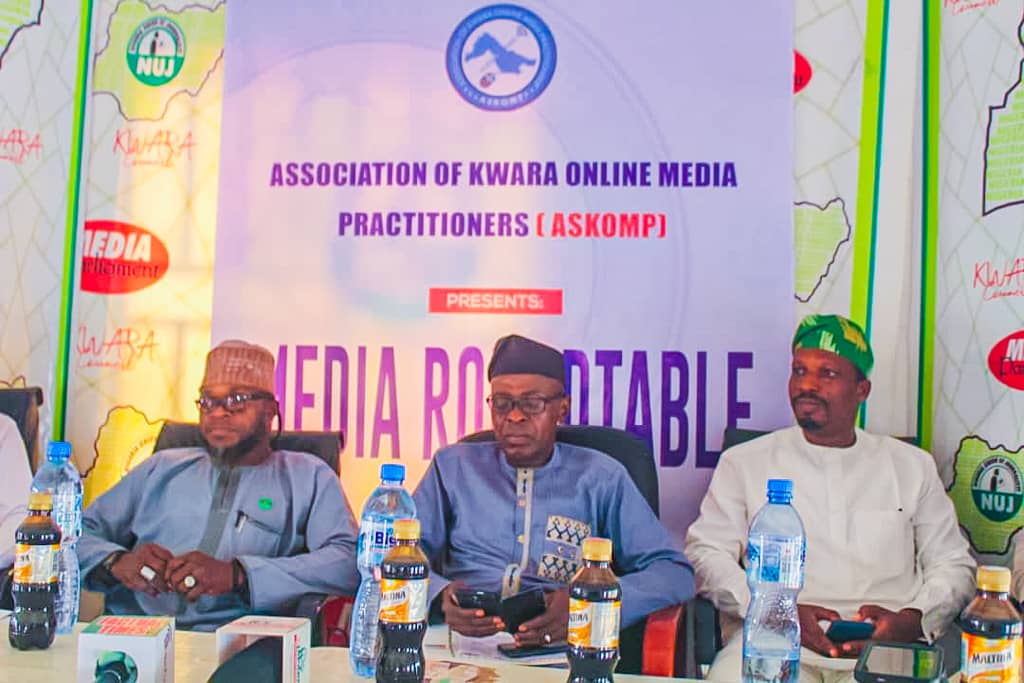
This came up during a Media Roundtable organized by the Association of Kwara Online Media Practitioners (ASKOMP).
Held at the NUJ Press Centre in Ilorin, the event, titled “Kwara 2027: Media, Politics and the Search for Credible Leadership,” brought together party representatives and stakeholders.
While opinions differed on zoning, there was general agreement that competence, trustworthiness, and public acceptance should be the main factors in choosing leaders. Speakers noted that all three senatorial districts in Kwara have capable people who can lead the state well.
READ ALSO: APC Extends Electronic Membership Registration to February 8, Shifts Congresses, Convention
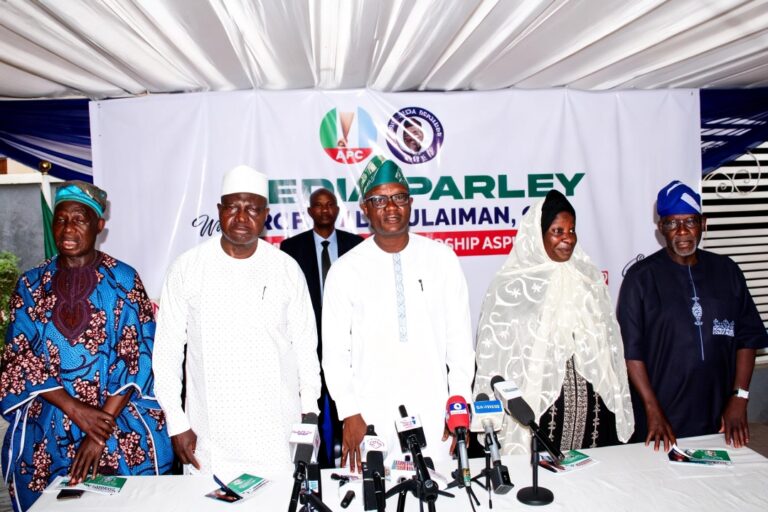
Kwara APC Chairman, Prince Sunday Fagbemi said the ruling party would be guided by Nigeria’s constitution and their own constitution to select governorship candidate and other flag bearers ahead of 2027 general elections Fagbemi who was represented by the State Publicity Secretary, Alhaji Babatunde Abdulwaheed said they wouldn’t allow issues zoning agitation to cause division in the party.
Comrade AbdulRaaheed Gbagba, Publicity Secretary of the African Democratic Congress (ADC) in Kwara, warned residents to be wary of zoning debates, calling them a misleading strategy often used before elections. He emphasized that the ADC offers a credible alternative focused on development and urged parties to prioritize ideas over propaganda.
“Kwara needs leadership that will tap into the state’s potential and rebuild people’s trust in government. Our future is too important to play politics with,” Gbagba said.
He added that the ADC is dedicated to fostering a political culture built on accountability and service, and that the path to 2027 should be guided by informed decisions, responsible media coverage, and a shared commitment to good leadership.
Echoing a similar view, Mr. Kamil Razaq, Director of ICT for the Peoples Democratic Party (PDP) in Kwara, encouraged citizens to look beyond zoning, stating that any qualified Kwaran should be able to run for governor, no matter which zone they come from.
In his opening remarks, ASKOMP Chairman Comrade Salihu Shola Taofeek described the 2027 elections as a crucial test for Kwara’s political maturity, fairness, and accountability. He also highlighted the media’s role in either strengthening democracy or bending to political pressure.
During discussions, participants pointed out common misunderstandings about journalism, including the perception that many journalists are politically aligned. They also urged ASKOMP to increase independent reporting on key issues like the new tax law and Kwara State University (KWASU), topics some politicians have reportedly misrepresented.
Other concerns raised included the heavy focus on political reporting at the cost of other important areas, the need for ongoing training and higher ethical standards for journalists, and how to effectively use new tools like Artificial Intelligence in reporting.
There were calls for more structured training programs to help journalists meet today’s media demands. Despite the challenges, many praised ASKOMP for its growing influence in the state.
In a goodwill message, Comrade Lanre Ahmed Abdullateef, Chairman of the Nigeria Union of Journalists (NUJ) in Kwara, advised journalists to adopt careful, conflict-sensitive reporting, especially given the country’s current security situation.
The roundtable included talks by Dr. Ibrahim Salawu of the KWASU Centre for Politics and Corporate Governance, and Dr. Adebola Rafiu Bakare from the Institute of Legislative Studies at the University of Ilorin.
The event was attended by representatives from various community and civil society groups, including the Ilorin Emirate Youth Development Association, Kwara Continuity, Kwara Legacy Group, and youth wings of religious and student organizations.