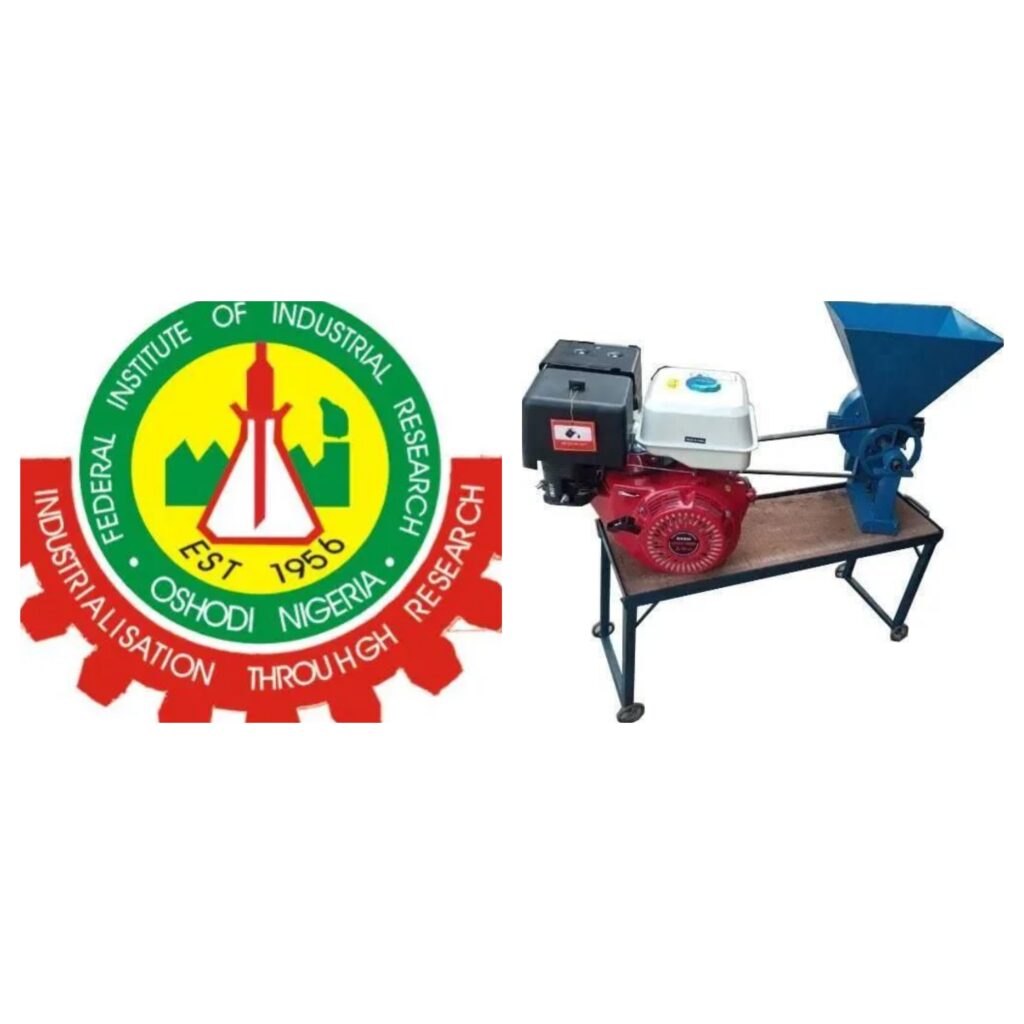
The Federal Institute of Industrial Research, Oshodi (FIIRO) has warned that the increasing cases of organ failure and cardiovascular diseases in Nigeria may be connected to foods processed with locally fabricated grinding machines.
The institute’s Director-General, Dr. Jummai Adamu Tutuwa, disclosed this in a statement citing findings from a scientific assessment conducted by FIIRO researchers.
The study revealed that many locally made grinding machines used for processing pepper, tomatoes, onions, melon seeds, and other food items contain harmful metal contaminants.
According to the report, traces of heavy metals such as lead, copper, chromium, nickel, cadmium, and manganese were found, alongside other metals including zinc, iron, calcium, and magnesium.
These machines are widely used in urban centres, particularly across Lagos.
Dr. Tutuwa warned that long-term consumption of food contaminated by these metals could contribute to heart-related illnesses and organ failure, even among young Nigerians.
READ ALSO: Wike Vows to Block Anti-Tinubu Candidates in FCT Council Elections
She added that in some locations, contamination levels exceeded safety thresholds recommended by the World Health Organization and the Food and Agriculture Organization, especially in areas with heavy traffic and industrial activities.
She explained that heavy metals are dangerous due to their ability to accumulate in the body over time and their resistance to natural degradation. Cadmium, in particular, was described as a major health concern because of its toxic properties and widespread industrial use.
In response, FIIRO has developed a stainless-steel pepper grinding machine designed to significantly reduce the risk of metal contamination during food processing.
The institute also plans to partner with the National Assembly, the Office of the First Lady, and other stakeholders to promote safer food-processing alternatives through large-scale production, distribution, monitoring, and maintenance.
Dr. Tutuwa stressed that stronger regulations, stricter enforcement, and increased public awareness are urgently needed to curb food contamination and reduce the growing burden of cardiovascular diseases, cancer, and organ failure across Nigeria.